
How Many Hours Should I Book My Wedding Photographer—and Do I Need Two Photographers?
Choosing wedding photography coverage can feel like a guessing game. Will seven hours be enough? Should you book eight, nine, or ten? And do you really need two photographers? At Prudence Photography, we start with the moments you want to remember, then build the coverage around your actual schedule. Here is how we help couples planning weddings in Chicago and the surrounding suburbs make those decisions.
How many hours should I book my wedding photographer?
For a wedding with getting-ready photos, a ceremony, portraits, and reception highlights, seven to ten hours is a useful starting range. Your ideal coverage depends on how far apart those events are, how much travel is involved, and whether you want early preparations or the late-night celebration photographed. A small wedding can still need a long day of coverage, while a larger wedding at one venue may have a compact schedule.
Five to six hours: a shorter, focused celebration
A shorter booking can work for an intimate ceremony and reception when you are comfortable prioritizing certain parts of the day. It might cover final preparations, the ceremony, family portraits, couple portraits, and the beginning of dinner. It usually requires tradeoffs: if your first dance happens late, getting-ready coverage may need to be reduced. Ask about availability and the booking requirements for shorter coverage.
Seven hours: an intimate wedding with a compact timeline
Seven hours can be a good fit when preparations, the ceremony, and the reception happen at one location or close together. You can often include the finishing touches of getting ready, ceremony coverage, portraits, and important reception events if they are scheduled within that window. Prudence’s Intimate Wedding Package offers seven hours with one photographer. Before choosing it, check when your speeches, cake cutting, and first dance are scheduled.
Eight hours: a practical starting point for a full wedding day
Eight hours gives you more room for preparation photos, a first look or post-ceremony portraits, the ceremony, and reception highlights. For example, 1:00 PM to 9:00 PM is eight hours of continuous coverage. It can work well for a midafternoon ceremony and an evening reception, provided the events you want photographed finish before coverage ends. A morning ceremony followed by a late reception needs a different plan.
Nine to ten hours or more: extra locations and a longer story
Consider longer coverage when you have separate getting-ready locations, a church ceremony followed by an evening reception, several portrait stops, extended cultural traditions, or a late exit you want documented. Chicago traffic, parking, walking to photo locations, and loading a wedding party onto transportation all take time. Those minutes belong in the schedule alongside the photographs.

Start with your first and last must-have moments
Write down the earliest moment you want photographed and the last event you do not want us to miss. Subtract the start time from the finish time, then check that the day includes realistic travel and buffer time. Continuous coverage generally runs through travel, dinner, and gaps between events; those periods do not automatically pause the booking clock. Confirm the details in your package and contract.
For portraits, a useful planning starting point is approximately 20–30 minutes for immediate family, 20–30 minutes for the wedding party, and 30–45 minutes for the two of you. These are planning estimates, not guarantees. A long family list, mobility needs, a large wedding party, and multiple locations can require more time. We help adjust the plan to your people and priorities.
An example of an eight-hour wedding photography timeline
1:00–2:00 PM: Final getting-ready moments, details, and individual portraits.
2:00–3:00 PM: First look and planned portraits, or separate portraits if you are waiting until the ceremony to see each other.
3:00–3:30 PM: Ceremony.
3:30–5:00 PM: Family and wedding party portraits, couple photos, and time to enjoy part of cocktail hour.
5:00–7:00 PM: Reception entrance, dinner, and scheduled speeches or formalities.
7:00–9:00 PM: First dance, dancing, candid moments, and a brief evening portrait if the schedule allows.
This is an illustration, not a schedule every couple should follow. Without a first look, more group and couple portraits may need to happen after the ceremony. A ceremony that starts at 5:00 PM, a long religious service, or travel between venues changes the balance. Build the timeline first, then choose the package.
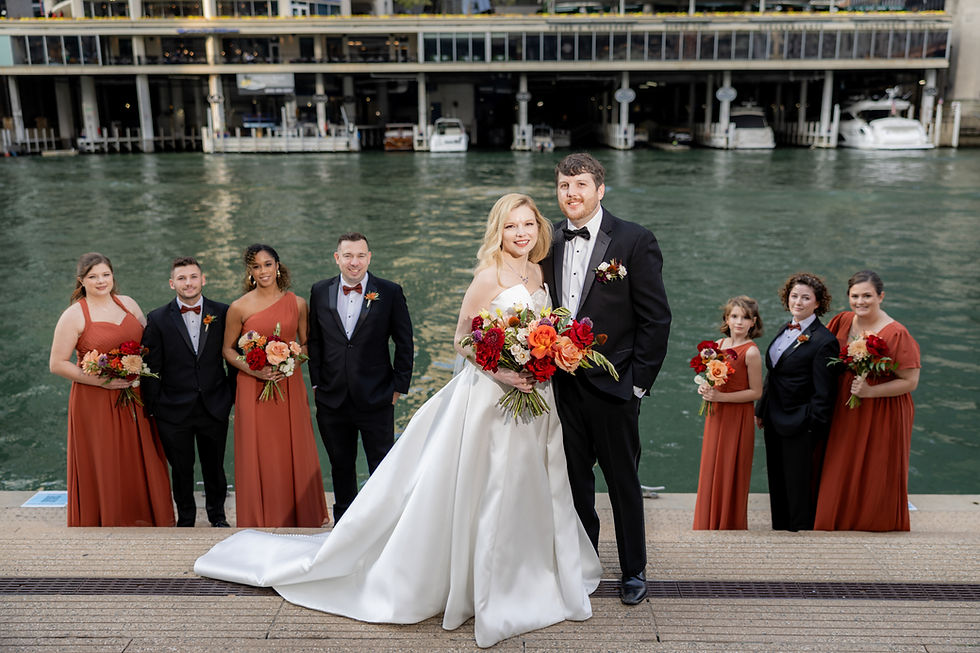
Do I need two photographers for my wedding?
Not every wedding needs two photographers. One experienced photographer can tell a beautiful, complete story when the schedule allows them to be where the important moments happen. A second photographer is especially valuable when two things you care about are happening at the same time or in different places.
When one photographer can be a great fit
One photographer can work well for an intimate wedding, one venue, a smaller wedding party, and a schedule with time to photograph each part of the day in sequence. If both partners are getting ready nearby and do not need simultaneous coverage, we may be able to photograph them one after the other. Your priorities matter more than a rigid guest-count rule.

When a second photographer makes a meaningful difference
Separate preparations: One photographer can stay with one partner while the other covers the second partner’s preparations.
Ceremony perspectives: One can focus on the aisle and couple while the other captures reactions and another permitted angle.
Cocktail hour during portraits: While the lead photographer photographs your family and couple portraits, the second can document guests and reception details.
Larger celebrations: More people, rooms, traditions, and overlapping activities create more opportunities for complementary coverage.
Two photographers cannot guarantee that every guest or every moment will be photographed. Venue restrictions, lighting, movement, and the schedule still matter. What they provide is the ability to cover more than one perspective and location at the same time. We coordinate their roles so the photographs work together as one wedding story.

Do both photographers need to stay for the entire day?
Often, the most useful time for a second photographer is the busy stretch from getting ready through the ceremony, portraits, and cocktail hour. Once the celebration moves into one reception room, the lead photographer may be able to continue alone, depending on the size and schedule. Lead and second-photographer hours can be different, so check the hours included for each when comparing packages.
Our wedding photography pricing page makes it easier to compare coverage options, including packages with a lead photographer and a second photographer for part of the day. Choose the combination that fits your schedule and the moments that matter most to you.
Should I book more hours or add a second photographer?
If your biggest concern is missing the first dance because coverage ends too early, more lead-photographer hours address that problem. If both partners are getting ready in different places at the same time, a second photographer addresses that problem. Some weddings benefit from both. With a limited budget, we look first at your must-have events and identify where the actual coverage gap is.

Frequently asked questions
Is eight hours enough for wedding photography?
It can be, especially when the day has a compact timeline and limited travel. Check that preparations, the ceremony, portraits, and the reception events you care about fit comfortably within those eight hours.
Do I need two photographers for a 100-person wedding?
Guest count alone does not decide it. A 100-person wedding with separate preparations and portraits during cocktail hour may benefit from two photographers. A similar-size celebration at one location with fewer overlapping events may work well with one.
Can two photographers make a shorter booking cover the whole day?
Two photographers can cover simultaneous activity, but they do not extend the end time of your booking. A late reception event still requires coverage at the time it happens.
Do I need photography until the reception ends?
Only if those final moments are important to you. Some couples want the formalities and a portion of open dancing; others want a late exit and the final celebration. Tell us which moments matter before choosing an end time.
Let’s choose coverage that fits your wedding
You do not need a perfect timeline before reaching out. Send us your date, venue or venues, ceremony time, approximate guest count, and the moments you want photographed. Prudence Photography can help you think through the timing and whether one or two photographers makes sense for your celebration.


Comments