

First Look vs. No First Look: Which Is Better for Your Wedding Day?
Updated: Sep 29
One of the most common wedding-day questions couples ask is simple: should we do a first look, or wait to see each other at the ceremony? There is no single right answer. The better choice depends on what matters most to you—tradition, privacy, your photography timeline, cocktail hour, available daylight and how you want the day to feel.
As wedding photographers, we see both approaches regularly. A first look can create a quiet, emotional moment before the ceremony and open up the timeline for portraits. Waiting until the aisle can preserve a tradition that some couples have imagined for years. Here is how to decide which option fits your wedding.
What Is a Wedding First Look?
A first look is a planned moment before the ceremony when the couple sees each other in their wedding attire for the first time. Usually the photographer places one partner in a private location, brings the other partner in, and then steps back to photograph the reaction naturally.
It does not need to feel staged. The strongest first looks are often simple: a tap on the shoulder, a turn, and a few uninterrupted minutes together. Some couples also use this time to exchange private vows, letters or gifts.

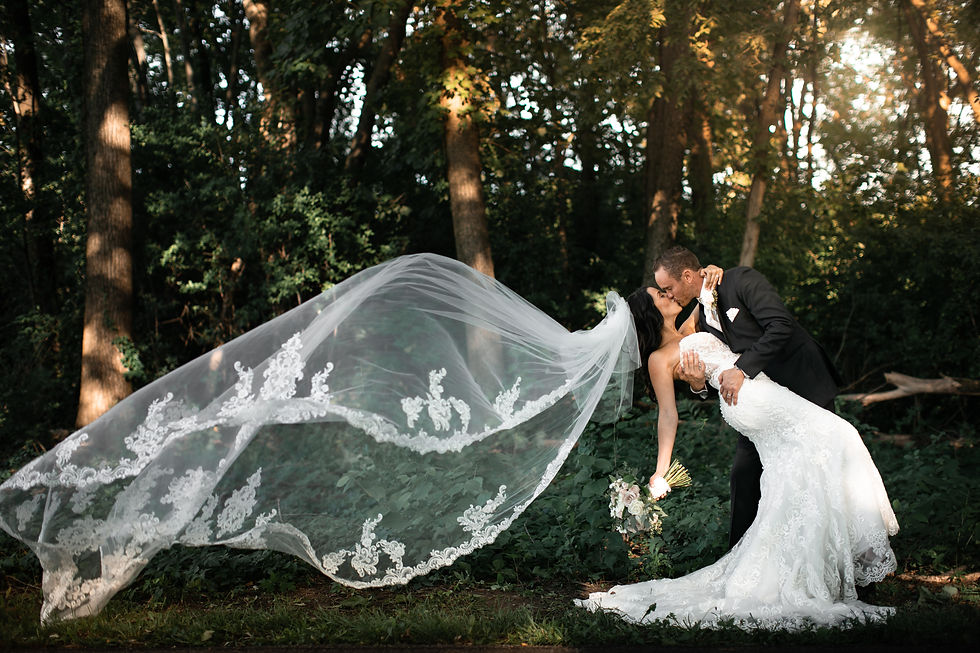
Julie and Andrew chose a first look at Lake Opeka before their Chicago wedding celebration. It gave them a private moment together before moving into portraits and the rest of their wedding-day schedule.
Why Couples Choose a First Look
1. More Time for Photos Before the Ceremony
One of the biggest practical advantages is flexibility. After the first look, you can often photograph couple portraits, the wedding party and some family combinations before guests arrive. That can dramatically reduce the number of formal photographs that need to happen between the ceremony and reception.
This is especially helpful when the ceremony and reception are at the same venue and cocktail hour begins immediately after the ceremony.

2. You May Get to Enjoy More of Cocktail Hour
Without a first look, couple portraits, full wedding-party photographs and family formals often need to happen after the ceremony. If many of those photographs are completed beforehand, you may be able to spend more of cocktail hour with your guests instead of using the entire hour for portraits.
3. A Private Moment Together
Wedding days move quickly. A first look can be one of the few moments when the two of you are together without a room full of guests watching. For couples who feel nervous before the ceremony, seeing each other can also make the day feel calmer and more grounded.
4. More Flexibility With Daylight
Chicago weddings can be especially sensitive to daylight in late fall and winter. If your ceremony ends near or after sunset, waiting until afterward for all of your couple portraits can limit the amount of natural-light photography available. A first look allows those portraits to happen earlier.
Reasons to Skip the First Look
1. You Want the Aisle Reveal
For some couples, seeing each other for the first time during the ceremony is one of the traditions they care about most. If you have always pictured that moment at the altar, there is nothing wrong with protecting it. Your photography timeline can be designed around that choice.

2. You Do Not Want an Earlier Start
A first look usually means everyone involved in pre-ceremony portraits must be dressed and ready earlier. Hair and makeup, travel and photography coverage may all need to begin sooner. For an early ceremony, skipping the first look can make the morning less rushed.
3. Tradition Matters More Than Cocktail Hour
If preserving the ceremony reveal is more important to you than attending cocktail hour, that is a perfectly reasonable tradeoff. The important part is planning enough time after the ceremony so portraits do not feel rushed.
What Happens to the Timeline Without a First Look?
A no-first-look timeline can still work beautifully. We can photograph each partner separately with their attendants and immediate family before the ceremony, then save the photographs that require both partners for afterward.
The key is organization. Family members should know where they need to be, the family-photo list should be prepared in advance, and enough time should be reserved between the ceremony and reception for couple, family and wedding-party portraits.
Does a First Look Ruin the Aisle Moment?
Not necessarily. The first look and the ceremony are two different experiences. One is usually private and quiet; the other happens with the music, guests, ceremony setting and emotion of the actual marriage. Many couples still have a powerful reaction at the aisle even after seeing each other earlier.
But if the anticipation of seeing each other for the first time at the ceremony is personally important to you, that matters more than following a trend.
A Middle Ground: The First Touch
If you want a private moment without actually seeing each other, consider a first touch. You can stand on opposite sides of a doorway, wall or corner, hold hands and exchange letters or private vows while keeping the visual reveal for the ceremony.
So, Should You Do a First Look?
Choose a first look if you value a relaxed photography timeline, want more portraits completed before the ceremony, would like a private moment together, or are working with limited daylight. Consider skipping it if the aisle reveal is deeply important to you and your schedule leaves enough time for portraits afterward.
The best wedding timeline is not the one that follows every trend. It is the one that protects the moments you care about while giving your photographer enough time to document them naturally.
Planning Your Chicago Wedding Photography
Whether you choose a first look, a first touch or a traditional ceremony reveal, build the decision into your photography timeline early. Ceremony time, season, travel between locations, family-photo combinations and reception timing can all affect what works best.
Prudence Photography photographs weddings throughout Chicago and the surrounding suburbs with a candid, documentary approach while helping couples build realistic photography timelines. If you are planning your wedding, we can help you decide how a first look—or no first look—fits into the flow of your day.


Comments